
Sourcing guide
How to choose a keycap manufacturer.
We sit on the factory side of this conversation every week, and we see what buyers check — and what they should have checked. This is the vetting list we would use ourselves, including the questions we expect serious buyers to ask us.
Vet three things in order: (1) is it a real factory — verify the molding floor and tooling ownership on video; (2) can it engineer, not just produce — it should push back on your spec with feasibility feedback before quoting; (3) is the quote structured — tooling, unit price, sample fee, lead times, QC standard and packaging as separate line items. Price ranking comes after all three, not before.
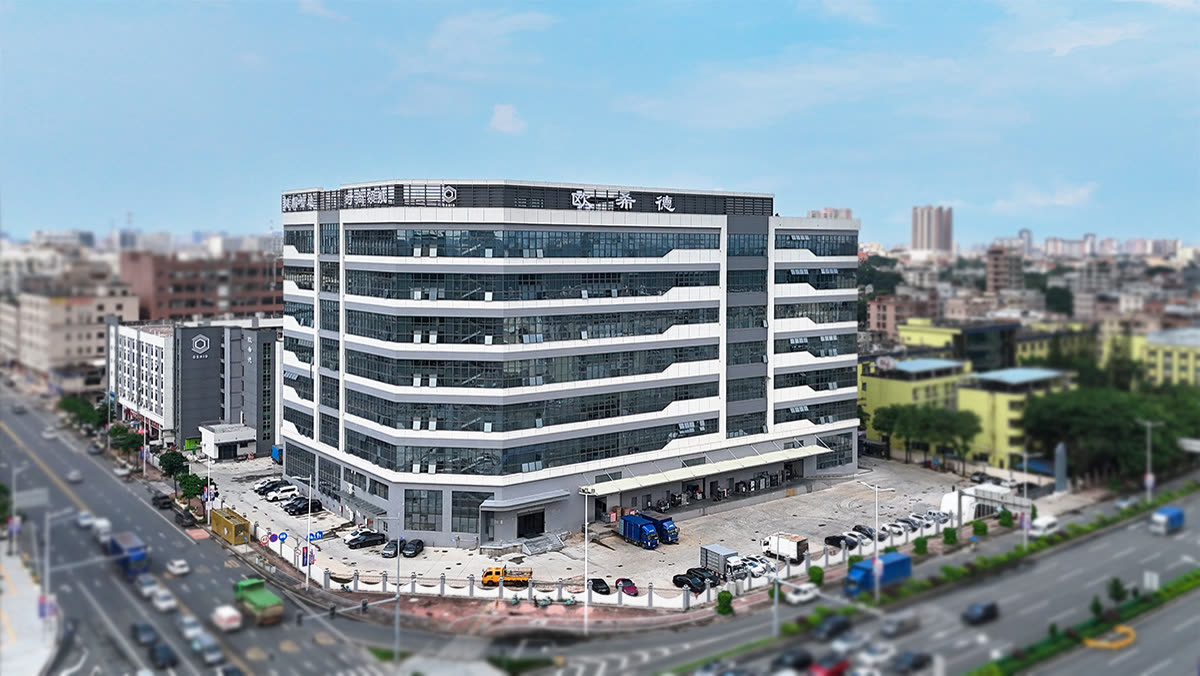
Step 1 — Confirm it's a factory, not a middleman
A trading company can be a legitimate partner, but you should know which one you're talking to, because it changes pricing, communication speed and accountability for defects. Three checks that take one email:
| Ask for | A factory… | A reseller… |
|---|---|---|
| Live video of the molding floor | Schedules it within days | Sends stock photos or delays |
| Who cuts and owns your molds | Names the toolroom, states storage terms | Vague — "our partner facility" |
| A process question (e.g. wall thickness tolerance) | Answers with numbers | Forwards the question, loses days |
Step 2 — Test engineering depth before you pay for anything
Send your artwork and spec, then watch what comes back. A production partner worth tooling with will flag problems now, not after the mold is cut: legends too thin for double-shot, colors that can't survive dye-sub temperatures, layout kits missing a cap. If the first reply is only a price, the engineering review either didn't happen or will happen at your expense later.
Step 3 — Read the quote like a contract
A serious keycap quotation itemizes: tooling cost and ownership, unit price at your quantity breaks, sample fee and sampling lead time, mass production lead time, QC standard (ask for the AQL level and what's inspected), packaging spec, and payment terms. Ask how color standards are recorded — a factory should keep a signed color master so reorders match. If a supplier quotes one blended number, you can't compare it against anyone.
Step 4 — Check the sample like an inspector
When samples arrive: mount them on real switches (stem fit and wobble), check legend edges under a loupe, compare color to your standard under daylight and warm light, run your fingers across a full row for texture consistency, and ask the factory for the measured wall thickness. The point isn't perfection on the first shot — it's whether the factory reports its own deviations honestly. A supplier who tells you what's off before you find it is the one you scale with.
Red flags we'd walk away from
Refusing a video call to show production. Quoting double-shot at dye-sub prices (someone is eating that gap, and it will be your quality). "Any MOQ is fine" — real processes have real minimums, as explained in our MOQ guide. No written QC standard. And a company name that changes between the website, the quote and the invoice.
FAQ
How do I know if a supplier is a real factory?
Live video of the molding floor, named toolroom and mold storage terms, and numeric answers to process questions. Generalities and delays mean reseller.
What should a serious quotation include?
Itemized tooling, unit price, sample fee, sampling and production lead times, QC standard (AQL), packaging spec and payment terms.
What sample checks matter most?
Stem fit on real switches, legend sharpness under magnification, color match in two light conditions, texture consistency, and stated wall-thickness tolerances.
What are the best keycaps for a custom project?
Depends on the design: double-shot PBT for durability and permanent legends, dye-sub PBT for full-surface artwork, ABS for the brightest solid colors, PC for backlit sets. Pick the process for your artwork, then judge the factory's samples in that process.